

‘Big Fish’ author Daniel Wallace explores power of storytelling at Chatham Literacy’s annual fundraiser
CHAPEL HILL – For author Daniel Wallace, the seeds of his stories are rarely plotlines.
Instead, they’re things.
A glass eye. A shark’s tooth. A wet lawn, freshly cut.
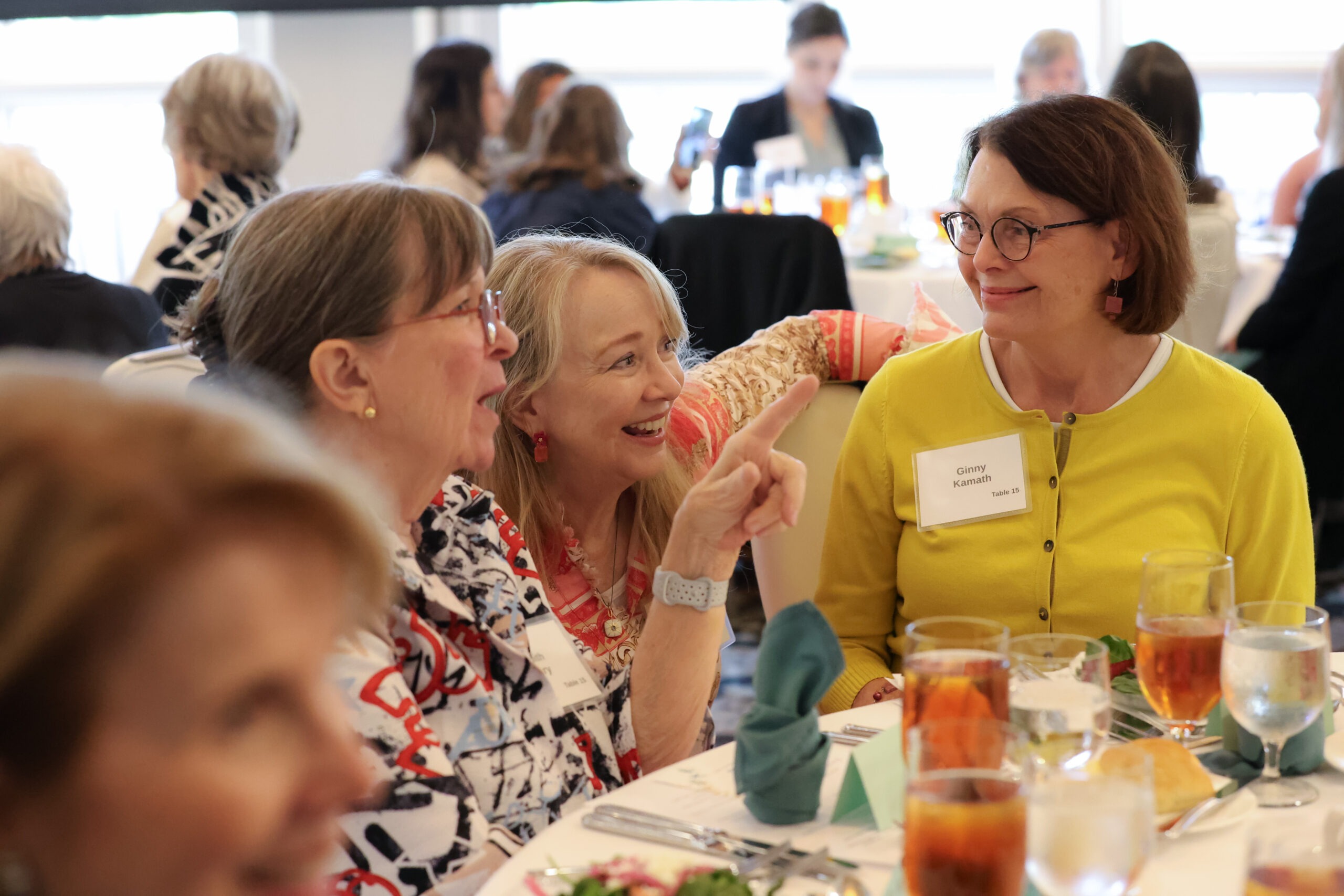
“Our emotions are created through things, through tangible things in our life,” Wallace told nearly 200 attendees at Chatham Literacy’s annual Spring for Literacy Luncheon at Governors Club on April 22. “After all, how do we understand the world? It’s with our senses, our eyes, our sense of smell, touch. They are the only access point for our heart, our memory.”
Wallace, the bestselling author of Big Fish, used personal stories and a reading from his recent book Beneath the Moon and Long Dead Stars to explore how things, memory and lived experience shape storytelling — and how storytelling, just like literacy, connects people.
“A reader is our end user,” he said. “The life cycle of a book, the story is never complete until you read it.”
Lived Experience

Wallace — who worked for the Orange County Literacy Council early in his career — is a distinguished professor of English at UNC Chapel Hill, where he teaches fiction writing. Big Fish, the first of his six novels, was published in 1998; a memoir This Isn’t Going to End Well was published in 2023. Beneath the Moon and Long Dead Stars, a collection of 23 short stories packed into just over 100 pages, was published last year.
Big Fish — a tale about a son working to sort out fact from myth in his dying father’s life — was adapted into a movie in 2003 (earning Golden Globe and Critics Choice nominations for “Best Picture”) and a Broadway musical in 2013. It provided Wallace an example of how small, vivid moments can create a foundation for writers.
He shared a story about Frank, his 6th-grade classmate and Homewood, Alabama, neighbor.
“One of the things that distinguished Frank above everybody else was that he had a glass eye,” Wallace told the audience. “Nobody had ever seen your glass eye before… Every week, he would raise his hand and Mrs. Flowers would call him, and he’d said, ‘Mrs. Flowers, may I go wash my eye?’”
Mrs. Flowers, Wallace said, granted Frank permission. Then Frank asked: “Can Danny come with me?”
“Mrs. Flowers didn’t know it was a two-guy operation,” Wallace recalled. “So she said ‘yes,’ and I went down to the boys’ room with him.”
The glass-eye-cleaning process, Wallace said, took just seconds — Frank taking the eye out, washing it with water and drying it, then putting it back in. It was repeated weekly, with Wallace always in tow.
“He just wanted company,” Wallace said. “I think that’s something we all understand.”
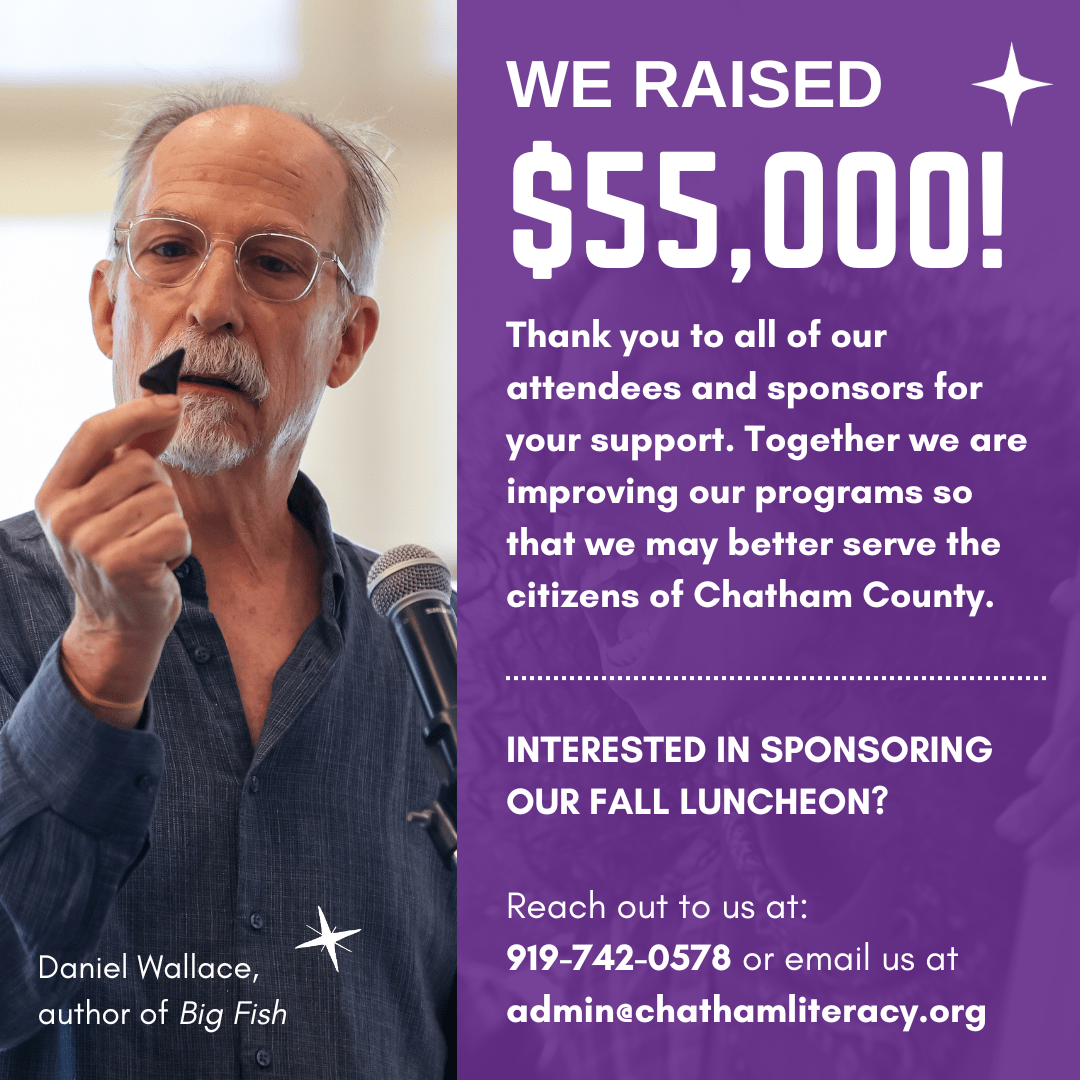
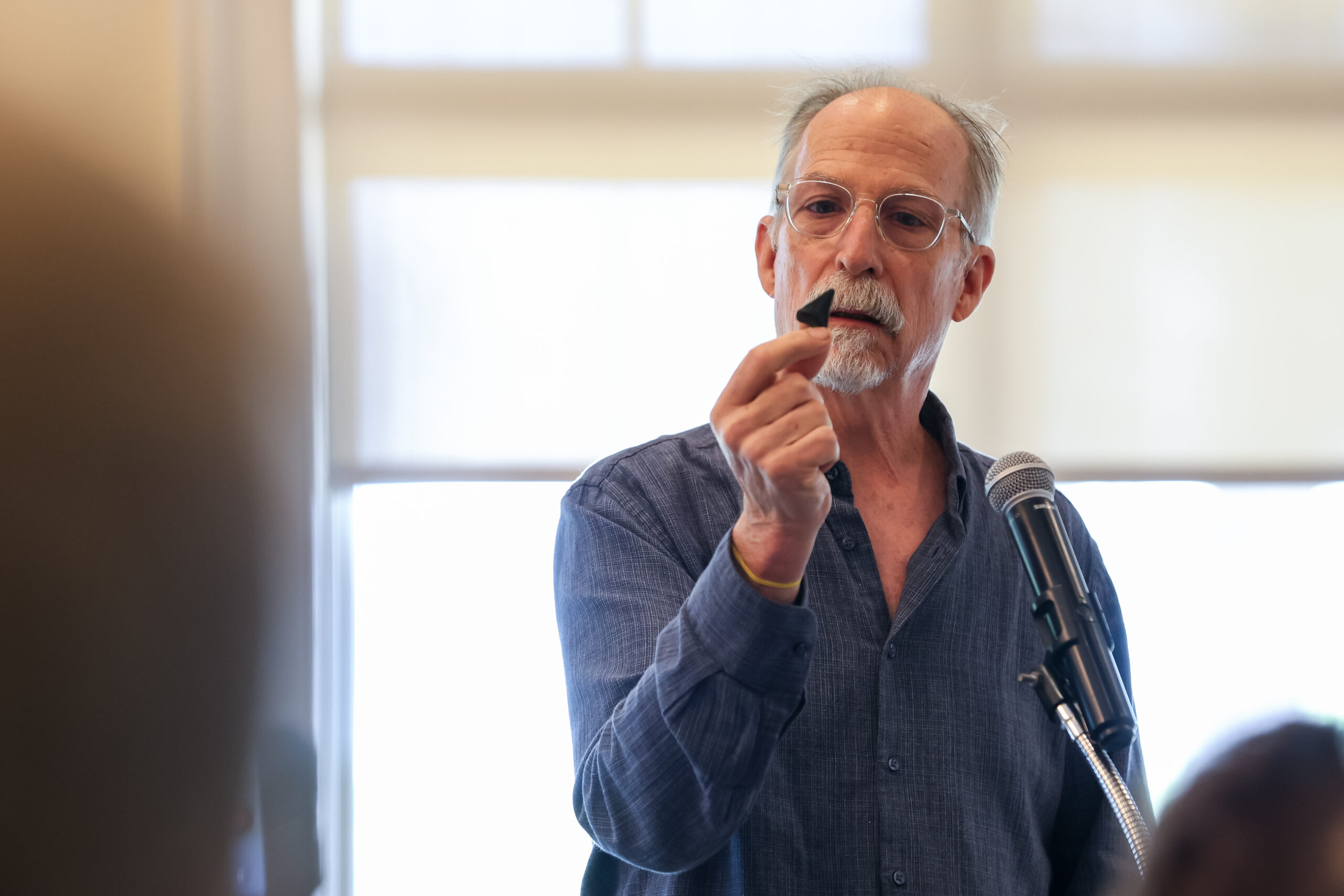
Frank moved away a year later, but that imprinted memory showed up as part of “Big Fish” — and Wallace, after reading a passage from the book about a character’s glass eye, pulled one from his pocket.
“That is Frank’s eye,” Wallace said. “I mean, not literally, figuratively… but that’s the inspiration for the whole thing.”
He also described a decades-long search for a shark’s tooth during annual beach trips, one he pursued for more than 50 years before finally finding one. It was so difficult to believe he saw one, he said, that his initial impression was his wife had planted it on the beach. That moment, a reflection on longing and expectation, found a place in a story in Wallace’s new book.
“Hoping is better,” Wallace said.
Wallace said his teaching work centers on helping students understand how to move readers emotionally — how to make readers like a character, or laugh, or cry. The answer, he said, can usually be found in concrete experiences, just like the experiences and particular memories we have of loved ones.
“If you think about it for a second… you think of the clothes they wore, the jokes they told,” he said. “You have a memento, right? That’s what they’re so important..”
Those details help allow stories to resonate.
“Everybody can relate to that with their own experience,” he said.
Literacy As Connection
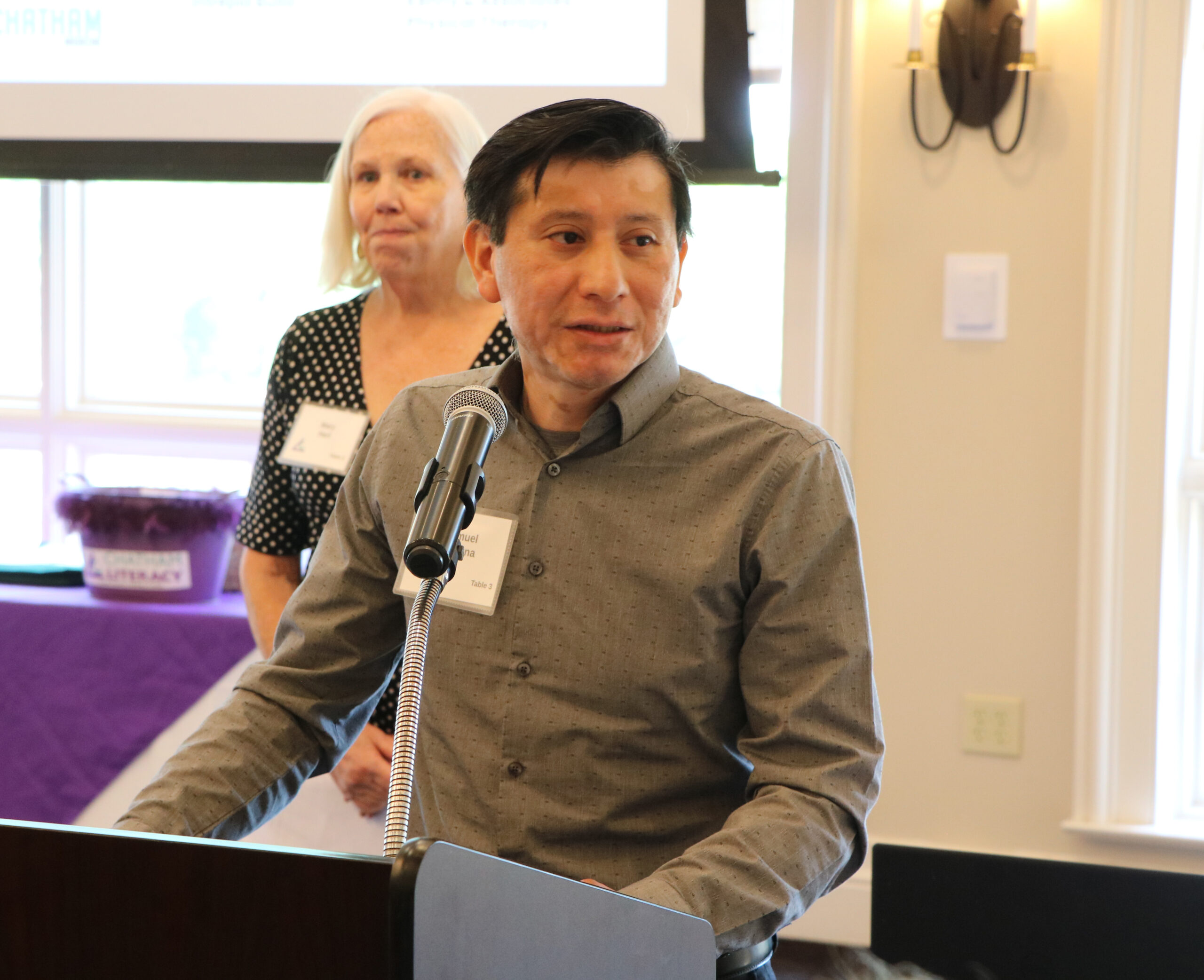
Connection — through language, communication and shared understanding — is at the heart of Chatham Literacy’s work. Board Chairperson Kelly Clark Boldt told attendees the organization’s work extends far beyond reading and writing. Chatham Literacy programs include English for Speakers of Other Languages, U.S. citizenship preparation, digital literacy, financial literacy and individualized, goal-based education.
Chatham Literacy client Samuel Galiana, who is studying English through classes offered at his workplace, shared with the audience about his learning journey.
“Since English classes, I feel more confident when I speak to the others,” Galiana said. “I can talk on the phone… when I go to the clinic, I can speak English with the doctor.”
His tutor, Mary Hart, said Samuel’s transformation extends beyond language.
“He is an exceptional student,” she said. “He’s made tremendous progress in his comprehension, pronunciation and conversational skills. A recent assessment marked his progress from high intermediate to advanced level.”
Hart said her greatest impression has been watching Galiana become a leader in class.
“Other students look to him for help in finding the right English words to convey their meaning when searching for the English translation,” she said. “He rarely misses a class and always shows up on time and prepared.”
Hart added that tutoring has been deeply meaningful for her, too.
“I’ve never found a volunteer opportunity to be such a gift in my own life,” she said.
The luncheon, now in its 15th year, raised more than $44,000 to support Chatham Literacy’s programs and future expansion.
Executive Director Vicki Newell thanked attendees for their support, noting that all funds raised go directly toward adult literacy services in the community.
For more information, visit chathamliteracy.org. To support Chatham Literacy, visit chathamliteracy.org/give/.